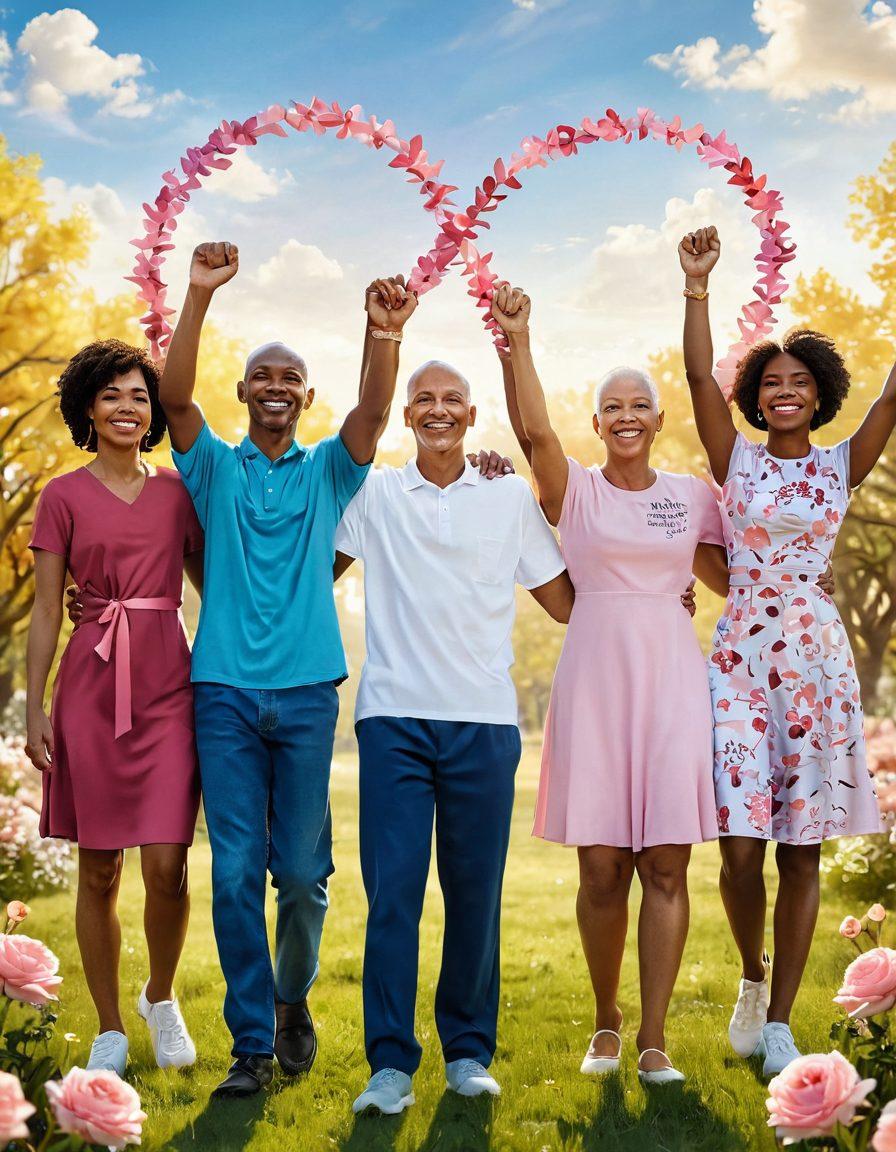
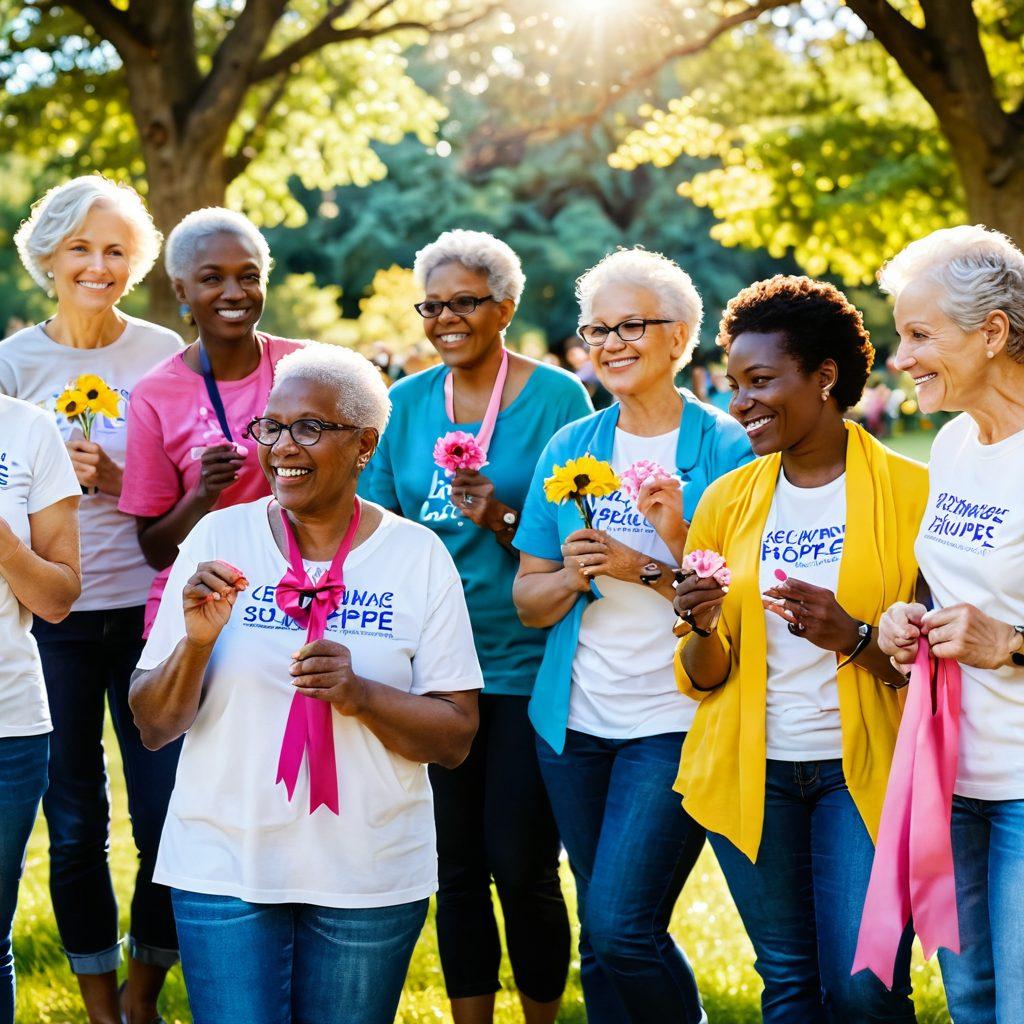
Empowering Cancer Survivors: Resources and Support for Your Journey
Navigating the waters of a cancer diagnosis can be daunting, filled with uncertainty, anxiety, and a whirlwind of emotions. Every year, millions hear the words 'you have cancer,' changing their lives forever. As a cancer survivor, you find yourself standing at the threshold of a new journey—one of healing, resilience, and empowerment. There are essential resources and support groups available to guide you through this transition. They are not just about medical oncology or treatment protocols; they are also about the human experience, which is often the most crucial component of recovery. How can we harness these resources to transform fear into hope?
Incorporating the right cancer health resources is vital for anyone dealing with a diagnosis. Whether you're navigating the complexities of chemotherapy, radiation therapy, or exploring the innovative world of immunotherapy and clinical trials, having the right oncologist and support network can make all the difference. For many, support groups represent a lifeline, bridging the gap between treatment and survivorship. These groups foster a sense of community and belonging, encouraging open conversations about the myriad of things on a survivor's mind—ranging from recent cancer statistics to the latest cancer therapies. Have you ever wondered how sharing your story can empower you and others?
Cancer survivors often find themselves bravely treading through a sea of emotions. The psychological aspects of dealing with a malignancy can be as challenging as the physical side effects of treatment. That's where psychosocial support for cancer patients enters the picture. Whether through websites, local organizations, or one-on-one therapy, connecting with others who understand your journey fosters a healing environment. Remember, seeking emotional support is not a sign of weakness; it is part of a holistic cancer treatment approach. Is there someone in your life who can offer that listening ear?
As you navigate your cancer journey, don't forget the importance of being proactive about education and advocacy. Patient education resources can empower you with knowledge about your cancer diagnosis and further demystify your treatment. Familiarizing yourself with various cancer resources available—from patient advocacy groups to cancer awareness campaigns—can help you stand strong in your fight. Armed with information about cancer prevention strategies and lifestyle changes for cancer prevention, you can take charge of your health in ways you might have never imagined. How liberating would it feel to take control of your health in such a proactive manner?
Ultimately, the goal of any cancer survivor is to thrive, not just survive. That is where the beauty of community and support comes in. Engaging with cancer programs focused on survivorship can provide a much-needed sense of belonging, helping individuals transition into life after cancer. Finding your footing in this new normal may entail connecting with others who share similar experiences or exploring complementary therapies for cancer recovery. The message is clear: You are not alone in this fight, and with the right resources, support, and determination, the next chapter of your journey can be filled with strength, hope, and even joy. What will your journey look like as you move forward?
Building a Strong Community: Advocacy and Education for Cancer Survivors
Building a strong community is essential for cancer survivors as they navigate their journey through diagnosis, treatment, and beyond. Cancer can feel isolating, but it's important to remember that you are not alone. Advocacy and education create a support system that empowers cancer survivors, offering them the resources they need to thrive. A community where survivors of neoplasm, carcinomas, and malignancies come together can help foster resilience and strength. In this health blog, we will explore the importance of advocacy and education for survivors of various cancers, and how to build a supportive network that uplifts every participant.
What if you could transform the journey of surviving cancer into a beacon of hope for others? Advocacy plays a significant role in shattering the stigma surrounding cancer. When survivors share their stories, they create a shared experience that can inspire and educate others. According to recent cancer statistics, understanding the landscape of oncology can significantly improve patient outcomes and foster a culture of hope. Not only does advocacy inform the community about cancer prevention strategies and available cancer resources, but it also empowers those battling malignancies to seek out the best oncological care available.
It's not just about fighting the disease; it's about thriving after the battle. Education is another cornerstone of a strong community for cancer survivors. Through patient education, survivors learn about various treatment options, such as chemotherapy, radiation therapy, immunotherapy, and palliative care. The more patients know, the better equipped they are to make choices that align with their values and needs. Are you aware of any clinical trials that might benefit your condition? Supporting one another through research studies on cancer and sharing knowledge about complementary therapies for cancer can lead to new avenues of healing. It’s time to turn knowledge into action, don’t you think?
Connecting with others who understand your journey is crucial. Support groups offer a safe space where cancer survivors can discuss their challenges, share successes, and find solace during difficult times. Participating in cancer support programs not only bolsters resilience within individuals, but it also strengthens the entire community. By learning from one another, survivors can develop lifestyle changes for cancer prevention and healthier living—powerful tools for recovery and longevity. This collaboration between survivors helps foster emotional well-being and psychosocial support for cancer patients, which is often just as critical as physical healing.
Finally, consider how you can proactively contribute to the advocacy and education efforts in your community. Volunteer for cancer awareness campaigns, participate in local cancer organizations, or even start your own initiative. Every action counts, no matter how small. Together, we can cultivate a robust community that supports cancer survivors and educates the public about the importance of comprehensive cancer care. Remember, you are not just a survivor; you are a beacon of hope, paving the way for others and fostering a culture of understanding and advocacy in the fight against cancer.
Transforming Lives: Holistic Approaches and Innovative Therapies in Cancer Care
In the world of cancer care, navigating a diagnosis can feel like walking through a tumultuous storm without a compass. The terms oncology, tumor, and malignancy become daily vocabulary, and the journey transforms both physically and mentally. However, there's light on the horizon. Holistic approaches and innovative therapies in oncology stand as pillars of hope for cancer survivors. These not only aid in recovery but also empower individuals to reclaim their health and happiness, reshaping their lives long after the battle has been fought. What if embracing these new modalities could lead to an extraordinary transformation in your cancer survivorship journey?
Imagine stepping into a world where traditional treatments like chemotherapy, radiation therapy, and immunotherapy are enhanced by holistic cancer treatment. This is not just a dream; it’s fast becoming a reality. From meditation and yoga to nutrition and acupuncture, complementary therapies for cancer are becoming integral parts of oncological care. These practices address the entirety of a person – body, mind, and spirit. Why should we limit our approach to cancer health to just the physical aspect when our emotional and psychological wellness plays such a vital role?
Cancer is not just a medical condition; it’s a life-altering experience that impacts every facet of a survivor's life. While clinical trials and research studies on cancer may provide the latest advancements, it’s the psychosocial support for cancer patients that often becomes the lifeline. Support groups and cancer programs play crucial roles in creating a community of understanding. As survivor Julie famously said, “We are not just fighting cancer; we are rebuilding our lives.” How vital do you think these connections are for someone trying to navigate their new reality?
The cancer advocacy landscape has shifted in favor of a more inclusive approach, bringing to the forefront the importance of lifestyle changes for cancer prevention. It’s no longer just about seeking early cancer diagnosis or developing potent therapies; it’s also about holistic personal well-being. Cancer awareness campaigns are educating individuals about dietary habits, exercise, and mental health, empowering them to make informed choices. By embracing lifestyle changes, what steps can you take to not only reduce your risk but also transform your experience into one of resilience?
In an era marked by rapid advancements, the integration of innovative therapies signifies a monumental shift in how we view cancer care. Whether you are a cancer survivor or supporting someone through their journey, it’s essential to stay informed about the myriad of cancer resources available. Patient education on cancer survivorship and patient advocacy ensures that the voices of those affected are amplified. After all, the fight against neoplasms does not stop with treatment; it continues through education and community support. What new resource will you explore today to enhance your or your loved one’s journey?